Researchers create reef-safe sunscreen prototype from pollen
How the “diamond of the organic world” could help protect skin from damaging UV rays
Madeline Shaw • January 20, 2026
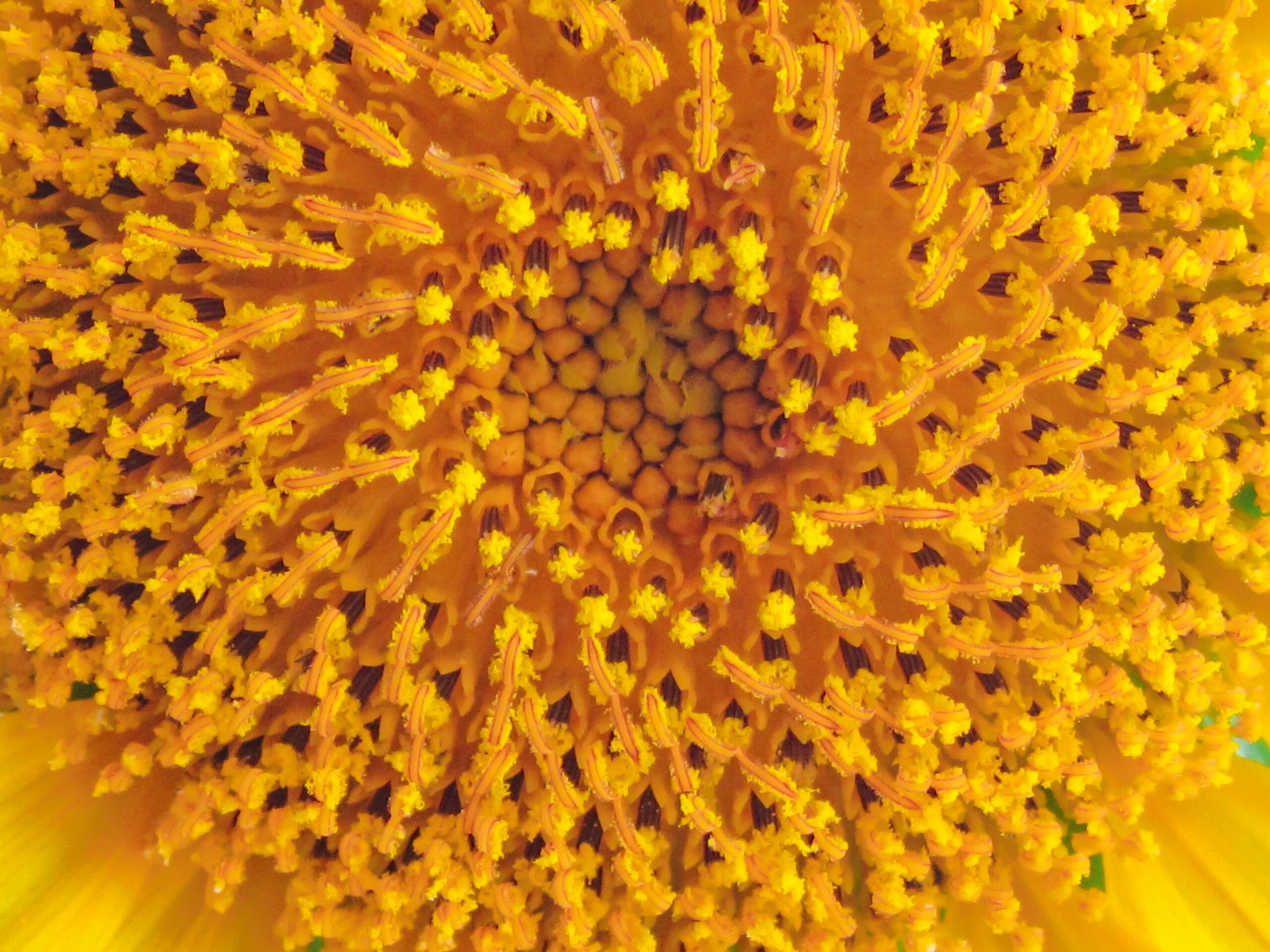
Researchers converted raw camellia pollen into a sunscreen that can be applied to the skin. [Credit: Adrian Diaz-Sieckel | Unsplash license]
Skin cancer is the most common type of cancer in the U.S., affecting at least one in five Americans by the age of 70. Yet, while sunscreen can reduce the risk of dangerous skin cancers like melanoma by half, it comes with an environmental cost. Approximately 14,000 tons of sunscreen wash into watersheds each year, and many popular UV chemical filters — such as oxybenzone and octocrylene — could harm coral reefs.
Now, researchers in Singapore may have found a better alternative, one that protects humans and fragile aquatic ecosystems alike. In a new study published in Advanced Functional Materials, they explain that the sunscreen comes from an unlikely source: pollen.
It may seem like an odd choice for sunscreen, but there’s an evolutionary explanation. Pollen’s coating has evolved to be resistant to UV rays to protect the plant’s genetic material from radiation. This outer layer is made of a highly durable material called sporopollenin, which contains antioxidant and UV-absorbing compounds like ferulic acid.
“Pollen is known as the diamond of the organic world — it’s very, very strong,” said Nam-Joon Cho, a materials scientist at NTU Singapore, who led the study.
His lab has spent years transforming pollen for different applications, from sponges to soak up oil spills to reusable printer paper. Now, his team is turning to sunscreen.
The researchers used bee pollen from the Camellia flower, commonly marketed as a health food for its supposed anti-inflammatory and nutritional benefits. The lumpy yellow-orange granules — around the size of embroidery beads — taste “very sweet,” Cho said during an interview while munching on pollen. Camellia pollen is also non-allergenic.
To create the sunscreen, Cho’s team separated the pollen’s outer shell from the inner contents in a process known as defatting. This method involves washing the pollen granules and then treating them with acetone and diethyl ether, chemicals used in cosmetics manufacturing. After air drying, the defatted pollen — now resembling corn flour — is suspended in a microgel using potassium hydroxide, a chemical used in soap making. The resulting gel looks like honey and has a texture Cho described as similar to cosmetic creams.
In lab tests, the gel appeared to preserve pollen’s UV-filtering capabilities. When tested on mice, it performed on par with commercial SPF 30 sunscreen, blocking about 97% of UVB rays that cause sunburns and skin cancer.
“This is a nice proof of concept,” said Dr. Henry Lim, a dermatologist in Michigan’s Henry Ford Health system who was not involved in the study. Yet, despite these initial results, Lim said that further research is necessary to determine the product’s safety on humans, along with its quality and consistency when produced at a commercial scale. He explained that these challenges have kept previous attempts at plant-based sunscreens from reaching the market.
Researchers also examined whether pollen sunscreen did a better job of protecting coral. In a lab, seawater tanks with coral samples received either one milliliter of pollen product or chemical sunscreen.
Whereas the chemical sunscreens bleached the coral samples by the second day of monitoring and left the coral completely dead after two weeks, the pollen sunscreen did not show a harmful effect even after 60 days of monitoring. The researchers attributed this in part to the fact that the gel did not absorb as much visible or near-infrared light, which tends to carry the most heat energy, as well as its tendency to disperse and degrade in water.
But even if the pollen product is easier on corals in the lab, Lim — who has previously studied sunscreen’s effect on ocean life — cautioned against forgoing sun protection out of concern for reefs. A comprehensive 2022 review from the National Academies of Sciences, Engineering, and Medicine recommended further studies on the toxicity and ecological impacts of chemical UV filters on coral, citing a lack of data.
In the meantime, Cho is in talks with multiple cosmetic companies and is optimistic that a pollen sunscreen could soon be on shelves in some countries. “They’re very excited,” he said.
Filed To
Share
About the Author

Madeline Shaw
Madeline is a New York-based journalist who covers the intersection of science, health and the environment. She’s passionate about stories involving animals and how humans interact with the natural world.
1 Comment
A sunscreen that both protects the skin and doesn’t harm the ocean. If successfully developed, this could be a major step forward in reducing the impact of tourism and cosmetics on coral reefs.