Epidurals seem less effective for labor pain in women with endometriosis
Recent study indicates that women with endometriosis may be more susceptible to pain breaking through their epidurals
Maia Chandler • November 8, 2026
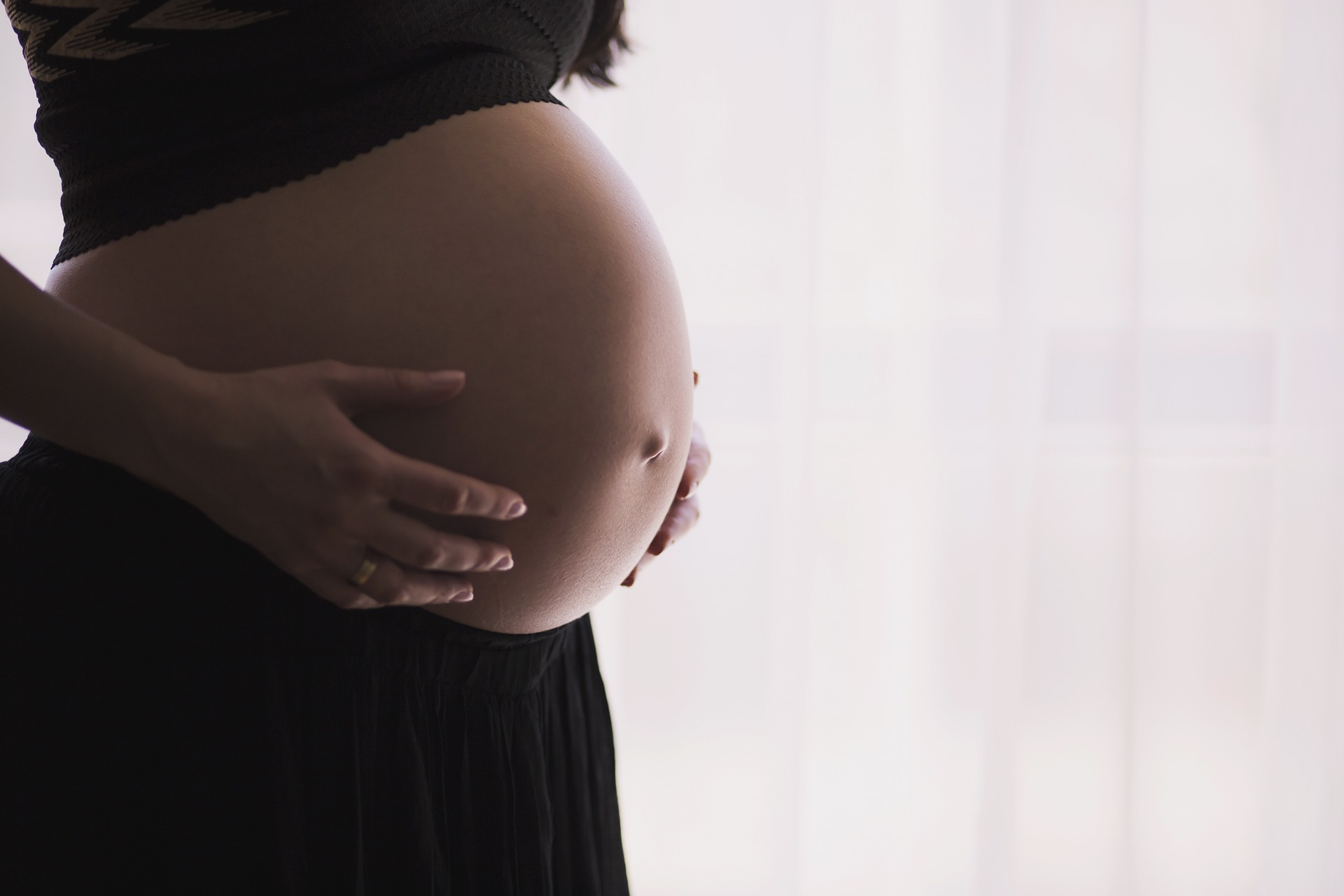
Women with endometriosis may experience more pain during birth, despite a functioning epidural. [Credit: WeTheHappyPPL/Flickr | CC0 (Public Domain Dedication)]
Epidurals are supposed to ease the pain of childbirth. But for women with endometriosis, even this powerful form of pain relief may fall short.
A new study suggests that women with the condition are more likely to experience pain escaping through a functioning epidural, or “breakthrough pain”.
Charles Torfou, who worked on the study at Centre Hospitalier Universitaire (CHU) de Toulouse, says that the study is the first to investigate how endometriosis affects epidural efficiency.
In people with endometriosis, the thick tissue that lines the uterus grows where it shouldn’t, often causing chronic pelvic pain. While it’s estimated that 10% of women worldwide have the condition, this number may be an undercount, as it may be underdiagnosed, says Jessica Opoku-Anane, an endometriosis specialist at Rutgers Health in New Jersey who is unaffiliated with the study. Delayed diagnoses also contribute to this, often occurring five to 12 years after symptoms begin.
To see how endometriosis might affect labor pain, doctors from CHU compared the pain levels of 36 women with endometriosis and 108 women without endometriosis during labor.
Forty minutes after the epidural kicked in, midwives asked the women to rate their pain on a scale of zero to 10 every hour. If the women rated their pain a four or above, and two rounds of additional pain relief didn’t help, the pain was considered to have broken through the epidural.
Breakthrough pain occurred in half of women with endometriosis but in only a quarter of those without it.
Some women with endometriosis also tended to request epidurals earlier, before they were even dilated. While this could be because severe pain started earlier in labor, the authors note that women with endometriosis may have had prior experiences that make them more cautious of impending pain.
Leslie Farland, a professor of epidemiology at the University of Arizona and early career ambassador for the World Endometriosis Society who was not involved in the study, says the findings aren’t surprising. Scientists have increasingly linked endometriosis with altered pain processing.
“Central sensitization is really common,” Opoku-Anane said. She says that when people have chronic pain, the constant signals exhaust the brain, resulting in heightened sensitivity. They feel far more than other people. The pain may also not respond to traditional treatments. Still, this pain is often dismissed for women with endometriosis
Opoku-Anane says the study’s results could be influenced by differences in anxiety levels, painful prior experiences and medical trauma. Still, she says that it doesn’t matter what the underlying cause of higher reported pain is. What matters is that there is a measurable pain difference, and doctors can treat it.
“One of the biggest things for patients with endometriosis is the stigma that’s associated with it,” says Opoku-Anane. “Often they’re told that the pain is just in their heads, and I think anything that provides evidence for an actual objective source of pain is helpful for moving care along for patients.”
Torfou says the next step is to repeat the study at other hospitals and with more people. He hopes that it will spark more research on endometriosis and labor.
If they see the same results, it could influence the delivery experience of women with endometriosis, Farland says. It “could be helpful to identify individuals who may need counseling before delivery about other pain relief techniques.”
Opoku-Anane says it could increase awareness amongst doctors. “If you specialize in endometriosis patient care, we’ve seen this, and we’ve known it, but it’s not something that’s commonly known amongst OB/GYNs in general.”
Filed To
Share
About the Author

Maia Chandler
Maia is a Brooklyn-based science journalist. They have an academic background in biology and physics, and their work has appeared in Physics Today.