Maternal depression can be a ‘canary in the coal mine’ for mother and baby
Children born to mothers with depression symptoms had greater health risks, according to a new study
Grace Vitaglione • November 14, 2026
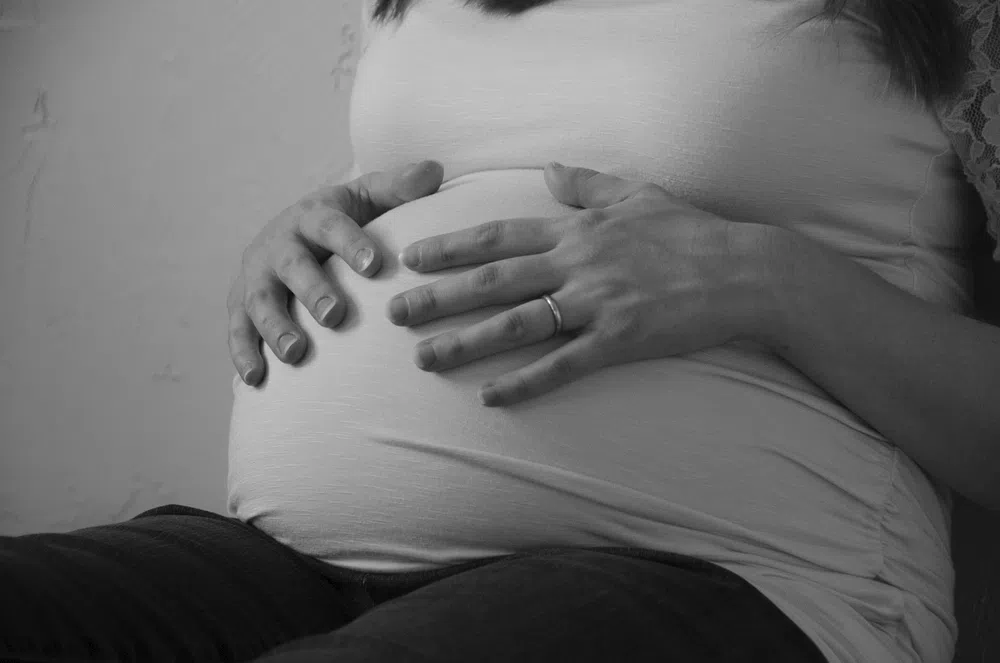
Depression symptoms after pregnancy are associated with health risks for infants. [Credit: rawpixel.com]
Babies born to mothers who showed signs of depression after giving birth were nearly three times more likely to die within a year, mostly from health problems related to prematurity or birth defects, according to a new study.
Researchers leveraged a New Jersey law requiring health care providers to screen mothers for symptoms of depression to track over 400,000 infants. The risk of death for infants born to mothers with depressive symptoms was higher than those whose mothers did not show signs of depression.
The findings underscore how maternal and infant health are inextricably linked, said Dr. Diana Montoya-Williams, a neonatologist at the Children’s Hospital of Philadelphia, who was not involved in the research.
“If we truly want to reduce infant mortality and we truly want to improve infant health, we cannot ignore the health of the mother [or] the pregnant person, even before they deliver,” said Montoya-Williams, who also published a commentary on the study.
Depression around pregnancy is not uncommon; between 10 and 20% of women in the United States experience depression while pregnant and/or within a year of childbirth. The study’s findings suggest symptoms of depression in a mother can be a warning, or “canary in the coal mine,” that a family may need help in other areas, Montoya-Williams said. That could mean housing, income or other social drivers of health.
But it’s still a “chicken or egg question,” she said. How can researchers tell whether the signs of maternal depression or infant health issues came first?
Dr. Rebecca Woofter, who researches maternal and reproductive health at Rutgers University and co-authored the study, said she and her colleagues did their best to control for other factors — such as maternal age and insurance status — but couldn’t account for everything.
The records they used, for example, didn’t show whether a mother might have already had signs of depression before pregnancy. And if the infant died of birth defects, the mother would likely have found out about that possibility earlier in the pregnancy, she said, so that could have influenced any depressive symptoms the mother reported right after childbirth.
Experts quoted by the U.K.’s Science Media Centre urged caution in interpreting the study, reiterating that the findings do not show that maternal depression causes infant deaths.
Seven other states in the U.S. require a similar screening of new mothers for symptoms of depression. But screening isn’t enough on its own — making sure people actually receive care is crucial, Woofter said.
Destigmatizing and further researching maternal depression is also vital, said Montoya-Williams.
“We cannot fix what we don’t measure and what we don’t talk about,” she said, and the study points out “that we have to often, as parents, put the oxygen mask on ourselves first if we want to do what’s best for our children.”
Filed To
Share
About the Author

Grace Vitaglione
Grace Vitaglione is a health journalist based in New York City. She covers public health, wellness myths, systemic barriers in healthcare and more. She previously reported for North Carolina Health News, Carolina Public Press and WHQR Public Media.