Harmful exposures during the Gulf War put women veterans at risk of early menopause
A study finds Gulf War veterans were more than three times more susceptible to early menopause than the average American woman due to environmental exposures
Avril Silva • January 27, 2026
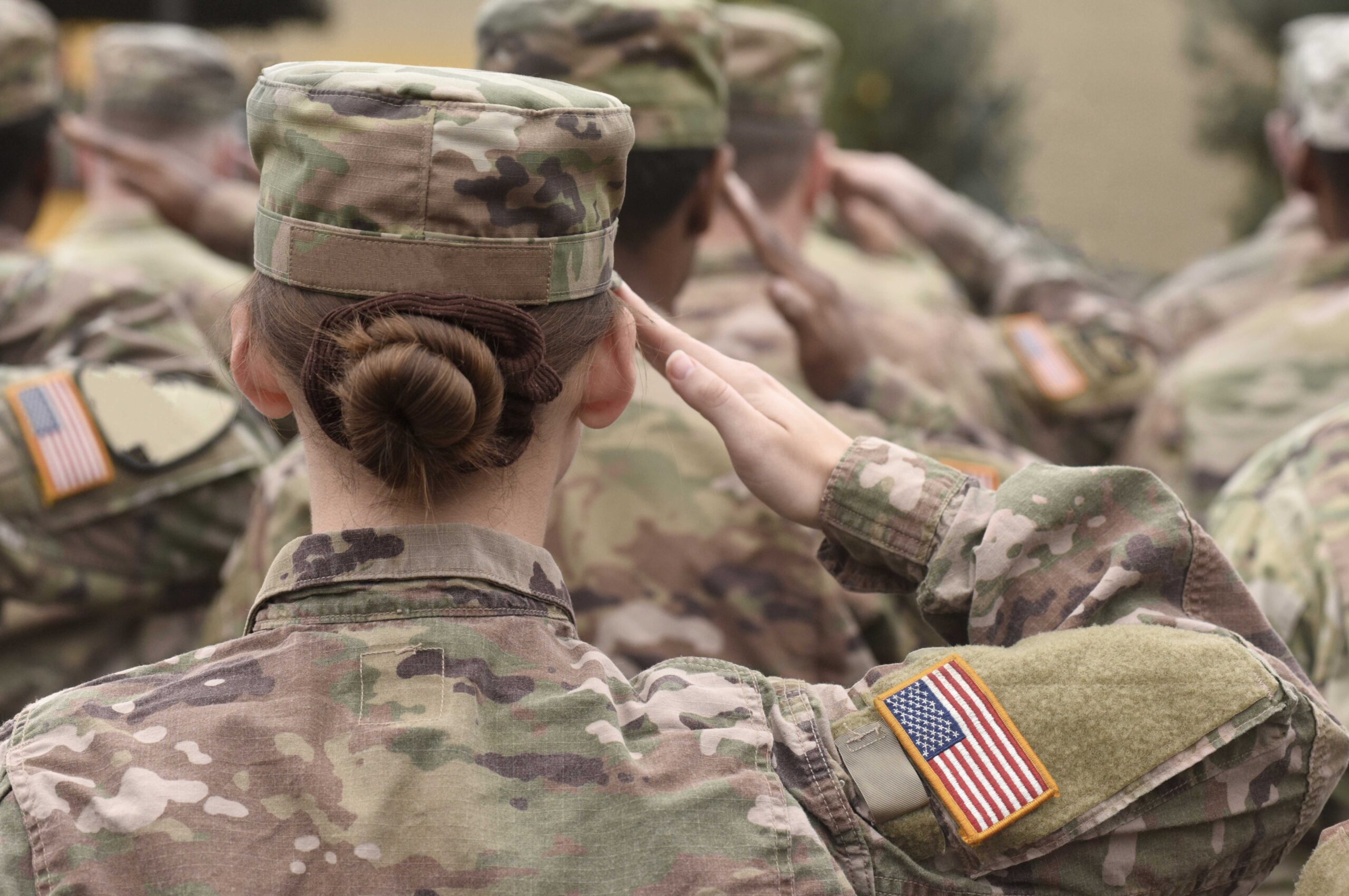
Women Gulf War veterans are more likely to face health risks according to a new study. (Credit: Bumble Dee | Adobe Stock Images)
Women veterans from the Gulf War may be three times as likely to experience early menopause as a result of harmful environmental exposures during service, according to a study.
Released in the Women’s Health Issues journal, the study looks at environmental exposures during military service in the 1990-91 conflict and their effect on reproductive health in women. The researchers, led by Carolyn Gibson, found that in their sample of 384 Gulf War-deployed women veterans, almost two in three reported having been exposed to harmful environmental exposures and over half met the criteria for Gulf War Illness, a chronic, multi-symptom disease that is more prevalent in women than in men, according to the VA.
The survey found that, of the Gulf War veterans who had been exposed during their deployment to toxins such as smoke from oil well fires or burning waste, 15 percent described signs of early menopause, defined as menopause before the age of 45. This is three times the rate of early menopause than the average woman, according to the National Institutes of Health. When women stop producing estrogen that early in life, they are at greater risk of such age-related conditions as heart disease and osteoporosis.
The researchers of the study — funded by the Department of Veterans Affairs’ Health Outcomes Military Exposures (HOME) program — all declined a request for comment.
Although the study looks at post-traumatic stress disorder (PTSD), other mental health conditions such as anxiety or depression should also have been investigated, said Leslie Farland, an associate professor at the University of Arizona who specializes in reproductive epidemiology.
“While there are some limitations, such as having limited statistical power to investigate some of their exposures, the study is very well executed,” Farland said. “As the authors point out, it would have been beneficial to have additional details on PTSD diagnosis, but this information was not collected.”
Several female veterans of the Gulf War described experiences with health issues like migraines or changes in their menstrual cycles similar to the problems documented in the VA study.
“Everybody knows, when you go into the military service, you’re signing up to give your life for your country,” said Gillian Boice, a retired Army lieutenant colonel who was deployed in the Gulf War for six months between 1990 and 1991. In the years since, Boice has been in treatment for a number of health issues she incurred during her time in the military, including uterine issues that led to a hysterectomy in her late thirties.
“If you’re not killed in combat, it can take a whole bunch of your life in small segments,” she said.
Boice said that she wishes more attention was placed on Gulf War veterans and their health after their years of service, not only in terms of reproductive issues but also chronic illness.
“I got the care that I needed, but I do know of fellow veterans that that’s not the case,” said Boice.
Christi Listermann, a retired Army captain, said that even as her platoon was exposed to oil well fires, burn pits, sandstorms, and more, “I remember thinking at the time, this can’t be good for us, breathing all this stuff.” Back then, she said she did not feel like she had the luxury to think about how it might affect her long-term health. She started experiencing symptoms just a few years later, which she attributes to her time in Iraq.
Boice and Listermann said that they hope the VA can continue to invest in research that can provide insights into their own bodies and the health of their friends and family who continue to pass on the tradition of service.
“I’m willing to put myself out there at risk to serve, but if you know that your children or your grandchildren are going to be affected, that may change the decision,” Listermann said.
Filed To
Share
About the Author

Avril Silva
An award-winning journalist, Avril has experience covering environmental and public health policy and is interested in pursuing investigative journalism. You can find more of her work on CBS News, POLITICO’s E&E News, and more.
2 Comments
Who do I need to talk to I became pregnant at 39. I had been told I was not able to after 3 miscarriages. And never had a period again.
Among other issues
This is heartbreaking and unfair. Women veterans were exposed to serious risks and are still paying the price decades later. They deserve better recognition, research, and long-term care from the VA.