The EPA looks to override state efforts to crack down on toxic water pollutants
Weaker national rules could stifle state-level “forever chemical” regulation, sources say
Avril Silva • July 30, 2026
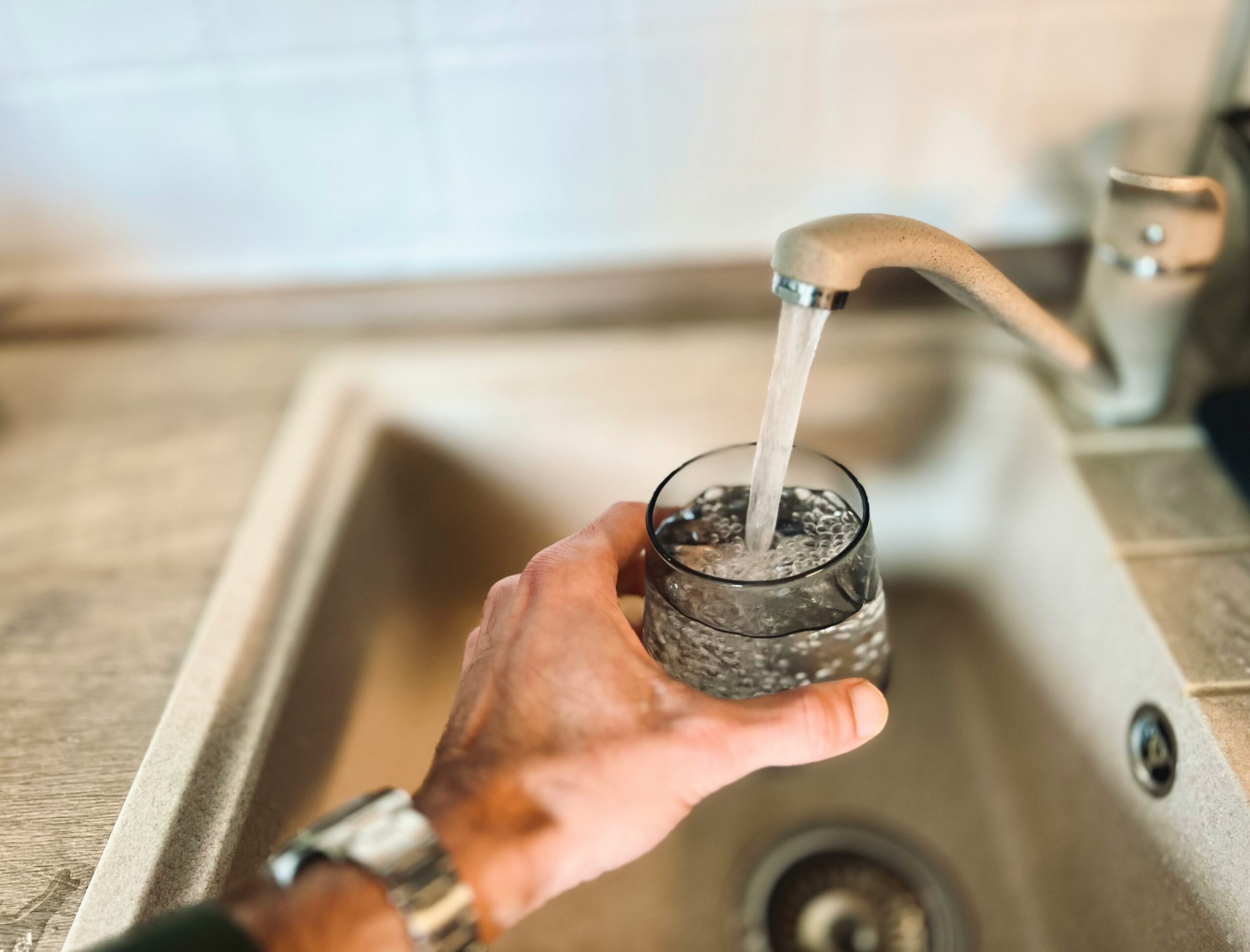
PFAS was found in tap water samples from over 700 different sites around the country from 2021 to 2026, according to the U.S. Geological Survey. [Image Credit: Swanky Fella | Unsplash]
Alarming its own experts, the U.S. Environmental Protection Agency is considering blocking several states’ efforts to crack down on toxic PFAS. These so-called “forever chemicals” leach into waterways from consumer products and factory smokestacks, sources inside the EPA say.
Working closely with the chemical industry, the EPA is actively considering preempting moves by Maine, Colorado, Massachusetts, Minnesota and other states to set stricter standards for PFAS. These “forever chemicals” take decades to break down and can accumulate in water, soil and even living things, increasing the risk of cancer, thyroid disease and overall weakened immune function, according to the EPA itself.
PFAS have quickly become a top-level concern as both the EPA and state agencies have detected them in the drinking water of at least 48 states in the past two years, according to the Environmental Working Group. The levels are usually low, but “even those extremely low levels have health effects,” a source at the EPA said. “There is no safe level of PFAS in drinking water.”
Late last year, the EPA relaxed PFAS reporting requirements to “help combat PFAS contamination without placing ridiculous requirements on manufacturers,” EPA Administrator Lee Zeldin said in a press release. The start of the reporting period was delayed for the second time to January 31, 2027.
Now, the American Chemistry Council, working alongside pharmaceutical and pesticide manufacturers, is pushing the EPA to set nationwide standards for PFAS and other toxic pollutants. The industry groups argue that manufacturers will have to raise prices of the goods they produce if they have to modify production to meet rules that vary from state to state.
A scientist inside the agency, who asked not to be identified for fear of losing his job, dismissed this argument. “The same people who will talk about states’ rights will suddenly start complaining about an unworkable patchwork of regulations when they feel like the federal government is in their pocket and they can control them,” he said.
If the EPA moves ahead with preemption and sets a nationwide standard for PFAS in drinking water, states would not be allowed to enact stricter rules than those the federal government has put in place. This would likely force rollbacks in states like Colorado, where regulators are trying to restrict PFAS emissions from sources like artificial turf or firefighting foam.
The Colorado Department of Public Health and Environment said that while it is monitoring developments on the federal side, PFAS has been a priority for the department for the past decade. State regulators are currently waiting on the EPA to make a potential change to the Colorado Primary Drinking Water regulations. With no rule revisions drafted, however, they are waiting to see what their path forward looks like.
“As ever, our goal is to protect people from exposure to PFAS chemicals, minimize new contamination in water, the environment, and food supplies, and support communities dealing with the effects of PFAS, but it’s also a waiting game,” the department said in a statement to Scienceline.
This would not be the first time the EPA has preempted state regulations. Under the Clean Air Act, for example, states like California seeking to impose stricter air quality standards have to request a waiver and pay a fee. California has received waivers in the past for its tailpipe emissions standards, but the Trump administration recently revoked those waivers.
The Toxic Substances Control Act, the most important federal law covering hazardous chemicals, allows a similar process where states looking to avoid preemption can seek waivers from the EPA on a chemical-by-chemical basis, according to Betsy Southerland, former director of the Office of Science and Technology in the agency’s Office of Water.
Yet sources inside the agency say that although the EPA may appear poised to preempt state regulations, other policy priorities and staffing cuts make such action unlikely during this administration. For now, PFAS are not among the first five chemicals the EPA is considering for preemptive policies, sources said. Instead, the agency is considering moving to preempt state rules covering lower-profile pollutants found in plastics, dyes and acrylics manufacturing.
However, agency sources say that the EPA is considering moving ahead with preemptive standards for PFAS because of the way they are fast-tracking these chemicals despite a lack of capacity to do so.
“The Trump administration is trying to basically go back to their original rule, or something very similar to it, and say that you need to make a finding on a use-by-use basis,” another EPA researcher said. They asked for anonymity for fear of retribution. “When the Trump administration is in power, they can give the green light to certain uses, and then that permanently blocks the states from doing anything more stringent than that.”
While the Trump administration has generally favored the chemical industry, including on PFAS, the issue does not necessarily break down along party lines at the state level, according to Doug Farquhar, director of government affairs at the National Environmental Health Association, an organization of environmental health professionals.
In Pennsylvania, for example, many Republicans advocated for a new standard — mostly due to concerns that PFAS could contaminate private wells — while the Democratic governor wanted to wait for EPA standards, though he did allow some statewide rules to move ahead, according to Farquhar. Once the EPA came up with a standard, he said the governor was more inclined to adopt regulations.
He and other experts said it’s not clear that EPA has the capacity to enact nationwide PFAS anytime soon, even if it decides to try. “Congress has put an enormous amount of responsibility on EPA, from clean water to chemicals, and they don’t have the capability of doing it; they’ve never had the capability,” Farquhar said. “They’ve relied on the states, they’ve relied on the locals.”
Southerland, who retired from the EPA at the end of the Obama administration, said that as the priority list of chemicals gets longer and longer, it is unlikely that Trump’s EPA will get to PFAS before his term expires in January 2029, even if the chemical industry can convince the agency to make it a top priority. Because of that, she said, states should “push ahead” with regulations before the EPA can set standards for them.
“Our only hope for public health is for the states to take action,” Southerland said. “The federal government and the EPA are not going to do anything for the next three years.”
There is already a clear precedent for what the Trump administration may have in mind for PFAS. In the early weeks of Trump’s second term, the newly installed appointees at the EPA relaxed exposure limits for formaldehyde that had only just been set at the close of the Biden administration. This immediately limited how states could regulate potentially dangerous compounds found in everything from particleboard, glues and paints to tobacco smoke and gas emissions.
“They need to worry about it right now because once the rule is final, states will sue and the agency will ignore their comments, which is what they’re going to do,” an EPA researcher said. “We’ve seen that over and over with the Trump administration.”
Filed To
Share
About the Author

Avril Silva
An award-winning journalist, Avril has experience covering environmental and public health policy and is interested in pursuing investigative journalism. You can find more of her work on CBS News, POLITICO’s E&E News, and more.