Is coffee good or bad for your health?
Asks Alex from Philadelphia
Victoria Stern • June 9, 2008
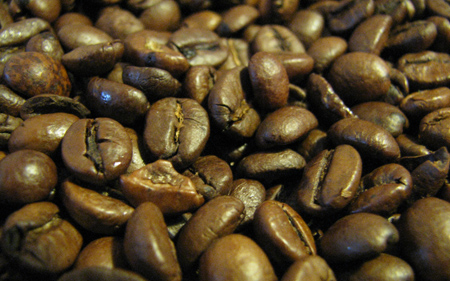
Roasted coffee beans
My alarm jolts me awake at 8 a.m. I am not fully cognizant but I know my first order of business: head to the kitchen. I open the refrigerator door and remove a bag from which a rich aroma emanates. I scoop several tablespoons of Colombian grinds into a black Krups machine, press the ‘On’ button and wait as the smell of fresh brew starts to perk me up. After taking my first sips, I am energized and ready to start my day.
Drinking coffee has become a crucial part of the daily routine of more than 50 percent of Americans, including myself. But is this habit bad for our health, or does it do a body good?
Several recent studies indicate that this popular beverage actually has an array of health benefits. “Coffee has been demonstrated to reduce the risk of several common medical illnesses—the most important of these is Type 2 diabetes, but also suicide, some forms of cancer and neurodegenerative disorders such as Parkinson’s disease and Alzheimer’s disease,” says Dr. Peter Martin, director of the Vanderbilt Addiction Center and researcher for the Institute for Coffee Studies (funded in part by the coffee industry).
In a 2005 review of nine studies, researchers found that when people imbibed four to six cups of java per day, versus only two or fewer, their risk for Type 2 diabetes decreased by almost 30 percent. The number decreased by 35 percent when people drank more than six cups per day.
Caffeinated and decaffeinated coffee provided similar results. This suggests that a component of coffee other than caffeine may have beneficial effects on blood sugar levels, says Robert van Dam, professor at Harvard School of Public Health and lead author on the study.
Though the precise mechanism underlying the association between coffee and diabetes is not well understood, a 2003 study in The Journal of Nutrition found that a bitter tasting white powder (called dicinnamoylquinide) formed after roasting coffee may be responsible. The researchers reported that this chemical attached to and dampened the activity of certain protein receptors in the brain, enhancing insulin activity in rats and decreasing their risk for Type 2 diabetes.
In another study, researchers found that through a different mechanism this same chemical reduced patients’ cravings for highly addictive substances like cocaine and heroine. This chemical binds to opioid receptors in the brain, which regulate the experiences of pleasure and pain.
Caffeine, the most famous component of coffee, is also one of the more controversial ingredients in this popular beverage. It causes an increase in the activity of the neurotransmitter dopamine, which largely accounts for both caffeine’s stimulating effects and its ability to diminish feelings of depression. Caffeine essentially wakes the brain up, helping a person get through the day. After the caffeine wears off, however, it may have a depressive effect on a person’s mood.
Some researchers have found that the caffeine in a cup of joe has considerable negative health effects. One study published in a 2006 issue of the Journal of the American College of Cardiology indicated that coffee decreases the flow of blood to the heart. Other studies have found that caffeine in coffee can also cause heart palpitations, increased blood pressure and stress. In addition to these effects of coffee, van Dam points out that pregnant women should limit their caffeine intake because fetuses are sensitive to the drug.
Based on these studies, coffee may improve a person’s mood (at least temporarily) and risk for certain diseases — good news for coffee addicts like me. But it also appears to have some harmful effects. The ultimate verdict on coffee is still out.
Related on Scienceline:
Is vitaminwater good for you?
The debate over “probiotic” yogurt
Foraging for wild food in New York City parks

22 Comments
http://www.coffeeishealth.org
Did you know that drinking coffee regularly protects against many diseases? Did you know that caffeine is a minor part of the handful bioactive compounds found in properly roasted coffee: 1) the antioxidants phenolics chlorogenic acids (CGA), 2) the lactones formed from the CGA after proper roasting; 3) caffeine which can vary 200% comparing Robusta and Arabica coffees; 4) the vitamin PP or niacin and 5) the minerals (potassium, iron, zinc, etc). Coffee has also hundreds of volatiles which cause pleasure as smell is vital to mankind. More than any other, it is the sense of smell which has the power to fix and recall memories. We are far more impressed by a good or bad smell than a nice or awful picture… Did you know that drinking coffee regularly can save lives in coffee producing and consuming countries? Did you know that when you drive you should drink only but coffee? The plant coffee is not only natural but a healthy drink. Coffee was a beverage used by ancient Hebrews as in the Bible, by all the Muslims and later the favorite one of all Christians. If every youth in America, Europe and Asia start drinking a cup of coffee with milk instead of artificial beverages (sodas, energetics, Colas, etc) they will be more alert, increase memory capacity, strength thinking and mood, not to mention the calories that will be cut off. This is important in the prevention of diseases such as obesity and diabetes that has been growing within this age range. Wait there is more. If every human being can replace one drink a day of alcoholic beverages such as spirits, wine or beer for a cup of coffee, he will be helping to save more lives, including his own, by preventing diseases such as depression/suicide, alcoholism/cirrhosis, Parkinson/ Alzheimer’s disease as well as cancer. All these brand news are known as the Coffee Paradox as it is far more important than the French Paradox.
http://www.coffeeishealth.org
This is pandering to the masses. Coffee is neither good nor bad for your health. But the topic keeps coming up because it sells readership. And because it does, it also attracts research grants. Even though this dead horse has been flogged for centuries.
Please, let’s give it a rest already. There are few consumables that we have over 500 years of epidemiological evidence on its safety or not. Let’s not keep acting like it was just invented a year ago.
It seems pretty obvious to me
Caffeine is a naturally occurring substance found in the leaves, seeds or fruits of more than 60 plants.
Caffeine is absorbed quickly by the stomach and intestine. Once in the blood stream, caffeine has stimulant effects on the brain. Blood pressure, pulse rate, and stomach acid production are increased, fat stores are broken down, and fatty acids are released into the blood stream. These effects can last from a few hours to as long as 12, but within 4 days of regular use, the body develops tolerance to many of the effects of caffeine. For example, although caffeine increases blood pressure and pulse in a first time user, a regular user will not experience any significant change.
Consuming coffee in moderation is healthy.
You put your coffee in the fridge? Putting coffee grounds in the fridge exposes them to moisture, the moisture then mixes with the natural flavor of the coffee, if the coffee is let to dry, then the moisture can evaporate, robbing your coffee of flavor.. Do you really find that the coffee tastes better after refridgeration?
Article prety good…
its really depends on quantity of cofee you take…
If you take too much cofee containing cafeine,you will probably have heart accelaration,not really good for your health…
Taking a thing with a calculated quantity (depending on what your body needs to achieve: sports or mental exercices ? ,etc..) is good for your health!
For example,try to drink 10 liters of water and you will see how your urinary bladder react :)
Coffee also leeches calcium from your bones.
Yes, I drink a pot of coffee, which is about 5 litres, I have the most beautiful skin and looks you could imagine.
Let me tell you the truth about coffee…
Coffee has stimulants in it that cause your nervous system to increase its activity. it also causes an increased heart rate and can have an effect on blood sugar levels.
It also stimulates the adrenal glands to produce adrenaline and glucagon.
what happens after regular ongoing coffee consumption is that people start to become resistant to their own adrenaline becuase the coffee tricks your body into releasing it. the body soon realises that it is not supposed to and the function of the adrenal glands starts to slow – thus reducing the release of essential hormones into the body. what also happens is that it can sometimes trick the body into going into a stress state (as this is usually when adrenaline gets released) and this will shift brain function away from the logical centres of the brain and can make the body send blood out of your internal organs and into the extremities for fight or flight (and in some cases cause heart palpitations). this happening over and over in a day gives an increase to wearing the body out as it is like driving your car in the very high revs for long periods of time – the engine will start to wear out…
All this research saying it may help prevent certain diseases, thats great but is it worth the risks of the bad stuff it also does? It reminds me of about 8 years ago a scientist stated in a journal that eating large amounts of pizza can lower your risk of cancer. thats great but you’ll end up with coronary artery disease and have a heart attack – great finding genius! (its actually the tomato in it that does the trick…)
Also, unless the coffee is organic you have a whole bunch of other health destroying chemicals going into your body…
BUT due to the fact that coffee is an addictive substance and is primarily consumed to suppress emotions (it changes the chemical balance in the body so we no longer feel the results of emotional chemicals – Basically people drink it cause they dont want to deal with their stuff). nothing i nor anyone else says will make a difference to the serious coffee drinker as you have to deal with the emotional aspects that they are trying to suppress before any change will happen…
and to miss coffeeishealth.org – you are clearly looking for excuses to think that coffee is doing you good so you dont have to give it up…
enjoy!
I was brainwashed by my parents since childhood that coffee is not good for my health and that it wont make me sleep, hence will affect my growth and height.
6years ago, i have high BP, and taking medication from time to time to reduce my BP. I noticed, by accidentally trying coffee around 2006, my BP was reduced, that was 3years back when researchers claimed coffee is harmful for our health.
In my opinion there’s something in coffee that helped in my BP, i don’t know what that is, but i now drink 3-5cups/day. i try once in a while avoiding coffee for a day, and i feel the effect of my High BP again. I think coffee is a gift from the Gods. It cured by hypertension.
hope they do some research on patients with high BP also.
We need to stop wasting our best medical minds on pointless research. Humans have been consuming coffee for over 1,000 years without any real noticeable health effects.
Furthermore, how many industries do you know would tolerate back-and-forth weekly research for billions of dollars for several decades to still come up with inconclusive, and no definitive statement, on any positive or negative linkage? I’d be fired within a few years with that kind of fruitless track record.
It’s a rat hole. We should be moving on to more pressing medical research topics and not just the pop stuff with little human impact that helps sell newspapers.
Considering caffeine is a stimulant and every other stimulant is extremely bad for you long term I think logic dictates drinking anything with caffeine in it ie: coffee is not a good idea.
i think coffe good helps me alot just need moderation consumption
I think there are pros about coffee such as reducing the risk of type II diabetes, Parkinson’s disease and promoting attention and wakefulness. If we drink coffee more than 6 cups a day, there are some cons, such as increasing Heart disease and hypertension. So I think not drank too much coffee in a day, which is good for our health.
This website helped me a lot and realize the pros and cons about coffee.This could help me a lot on my project for school!
From all indications, I’ve come to the conclusion that coffee is not bad in itself. It’s the abuse of it that’s bad. Everything in life requires moderation. So coffee should be drank in moderation, say 2 to 5 cups a day.
Very good article :)
Coffee is my drug my drug my drug and I love that drug that drug that drug that drug! And I don’t need rehab I don’t need sleep if I have my coffee!
Ya, its true that the access of everything is dangerous, so if we take it according to our need than it will okay. so i think if we have coffee 1 or 2 two cup daily than it is good for our health and the main positive thing about the coffee is that it is reducing the risk of diabetes as well low BP.
lets be open minded and not narrow minded, what’s good and what’s bad no one knows, every article you read is either manipulated or a fabricated. that’s marketing. enjoy what you like and forget the rest, no one controls you, you control yourself. remember that!!!! no doctor have the least bloody clue about anything, they anticipate????…most reaches are all fool proof…honesty is only 1% rest is garbage..
if you are talking modern coffee that you get in the super market is all out to kill you, its all bloody garbage, its a mix of all sorts of shit put into it..100% is not what you get… so this coffee is bad for your health…you don’t know a bloody shit what all goes on in the manufacturing unit. what all manipulation goes on. its a doggy dogs world today and that’s why our health is getting screwed up. everyone wanna become rich the fast and easy way..
drinking coffee of the most favorite drinks in people, we will review the site in this article side of important for healthy coffee, and coffee in the interest of our lives, is there damage we hear about from the other or not, there is a wrong concept for some people, a lot of people thought that drinking too much coffee cups increases the risk of death or injury of certain diseases, such as heart disease or cancer, but this concept is wrong according to the latest global studies which illustrates coffee health benefits, and the benefits of coffee for some diseases
http://coffeegrindere.com/healthy-coffee-calories-coffee/